
 东盟头条APP移动端
  APP下载
APP下载  移动wap端浏览
 Embodied AI and AI computing power emerged as the two core technology tracks at the 2026 World Artificial Intelligence Conference (WAIC) and High-Level Meeting on Global AI Governance in Shanghai.
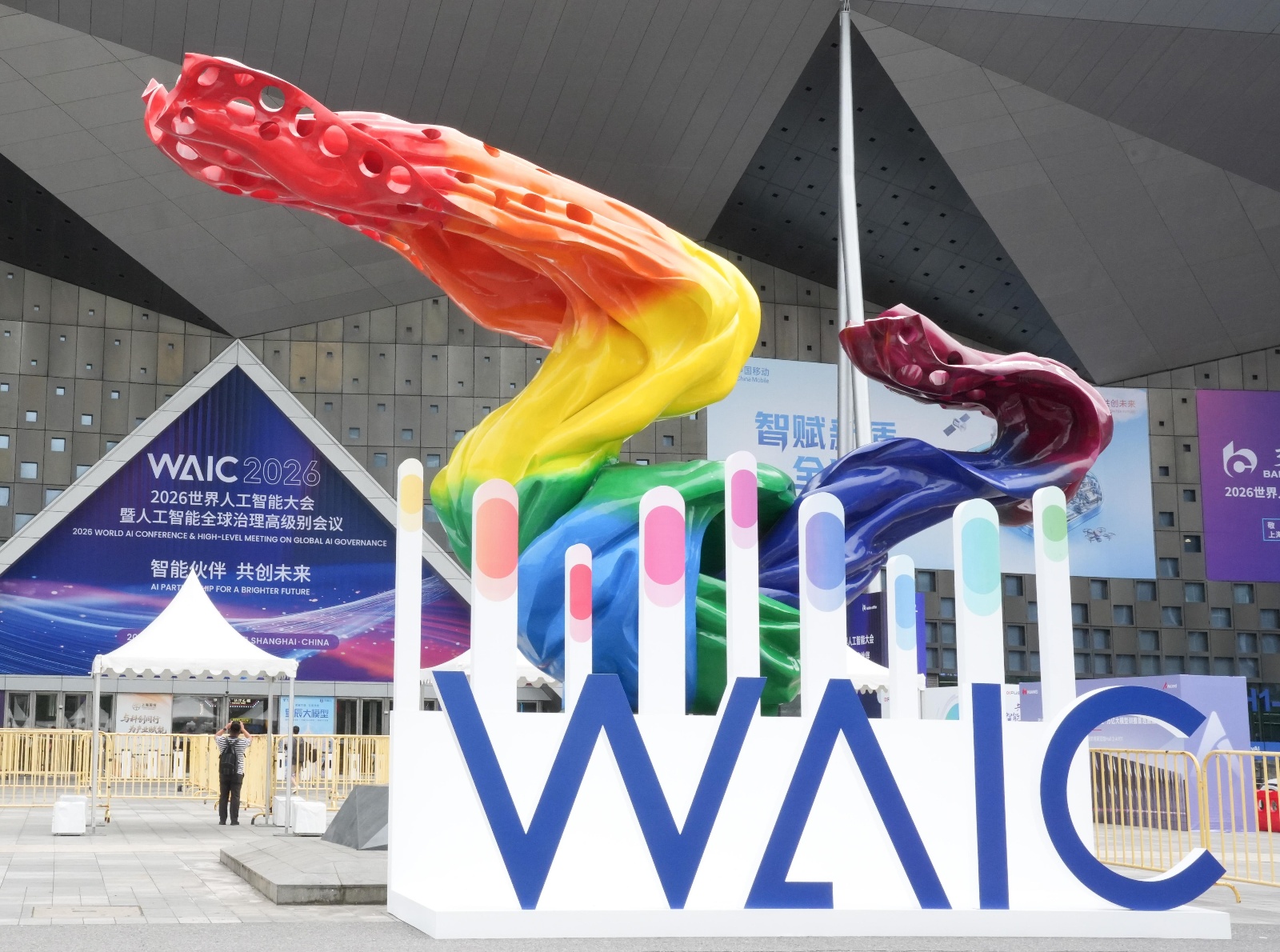
The 2026 World AI Conference and High-Level Meeting on Global AI Governance is held in Shanghai from July 17 to 20. (PHOTO: XINHUA)
Themed "AI Partnership for a Brighter Future," the conference, kicking off on July 17, brought together over 1,100 companies showcasing more than 3,000 exhibits. These included over 300 global debuts, ranging from the world's first AI-agent smartphone and multi-series humanoid robots to domestically developed AI computing chips.
Bionic humanoid service robots, general-purpose service robots and industrial robotic arms demonstrated their capabilities at the booths. Beyond the popular dancing robots on display, humanoid robots were seen performing practical industrial tasks.
A "factory floor demonstration zone" replicated at a 1:1 scale real-world manufacturing environments where robots carried out actual production-line work.
In addition, a shape-shifting robot capable of switching between humanoid and quadruped forms was unveiled, designed to adapt to scenarios such as factory inspection, outdoor operations and public services.
The exhibitors said they hoped to leverage the conference as a platform to connect with upstream and downstream industry partners and strengthen collaborative innovation across the sector.
Indigenously developed AI computing chips provide foundational support for intelligent devices. At the booth of Shanghai Dongfang Suanxin Technology Co., Ltd., a bold banner reading "14nm ≈ 4nm" caught visitors' eyes. The DF1000, the world's first software-defined, near-memory-computing 3D AI chip, made its global debut, drawing large crowds.
A company representative said the chip has overcome major bottlenecks in high-end computing. By reducing dependence on advanced manufacturing processes and tackling memory limitations, it charts a new course for independent innovation without relying on cutting-edge fabrication nodes.
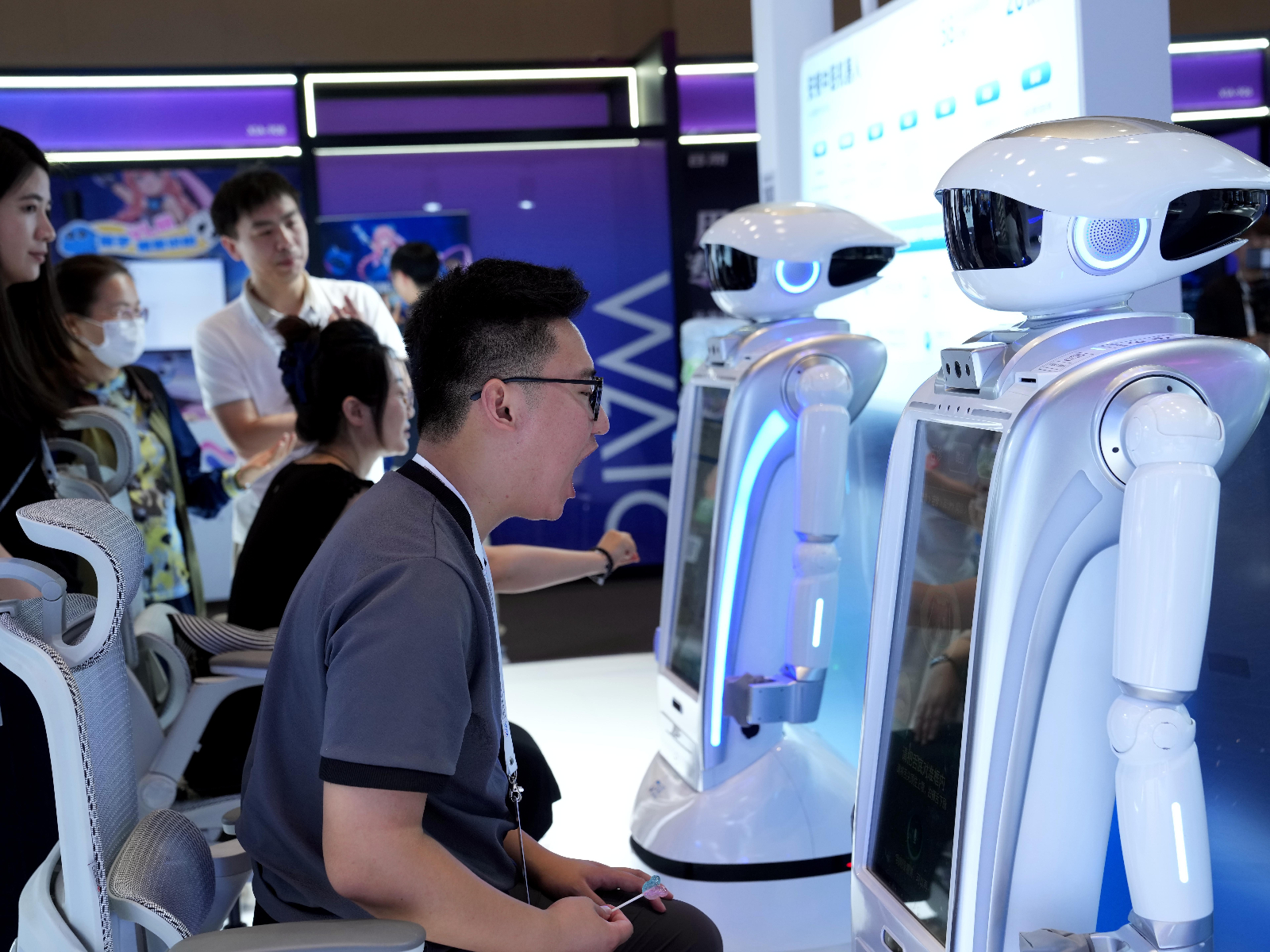
A visitor tries out a robot for tongue diagnosis at the West Bund International Convention and Exhibition Center on July 17. (PHOTO: XINHUA)
A wide range of computing infrastructure companies also showcased their flagship products. Turing Quantum, a leader in photonic quantum computing based in Shanghai, launched the industry's first quantum-classical hybrid agent platform, QAgent.
Although quantum computing holds promise as a next-generation computing paradigm, its integration into the real economy has long been hindered by high barriers to use, long engineering cycles, and difficulty in identifying practical applications. The company said QAgent was specifically developed to address these bottlenecks.
As a flagship event in the global AI landscape, this year's conference focused on three major directions: international cooperation, technological innovation and industrial commercialization, bringing together global expertise to chart a safe and sustainable path for AI development.
Xu Li, chairman and CEO of SenseTime, said the conference had reinforced the company's commitment to advancing inclusive AI development through open collaboration.
In the coming days, SenseTime will promote mature technological solutions, products and talent development programs worldwide, ensuring that AI continues to empower industries and benefit all of humanity, Xu said.
评论0文明上网理性发言,请遵守《新闻评论服务协议》